


Embossing stamps have a rich history and have evolved significantly over time to become an integral part of various industries. From their humble beginnings to their modern-day applications, embossing stamps have played a crucial role in adding a touch of elegance and professionalism to a wide range of products and documents.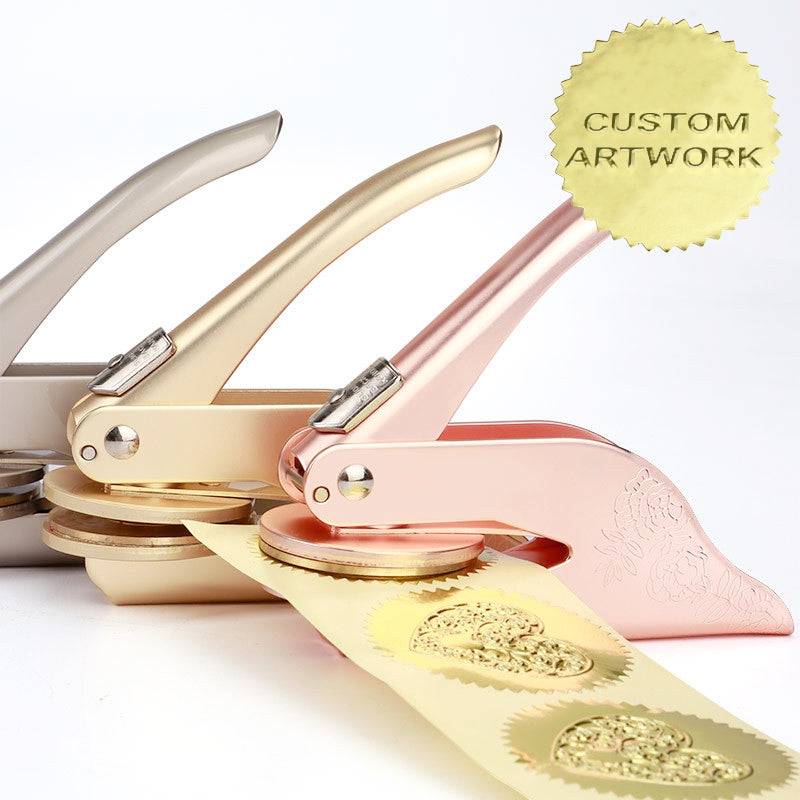
The Early Origins of Embossing Stamps
The history of embossing stamps can be traced back to ancient civilizations, where they were used to imprint designs and symbols onto clay tablets and other materials. The earliest forms of embossing stamps were simple tools made from materials such as wood, metal, or stone, and were used for marking ownership, creating seals, and adding decorative elements to various objects.
The Evolution of Embossing Stamps
As societies advanced, so did the techniques and materials used in the creation of embossing stamps. The industrial revolution brought about significant changes in the manufacturing process, leading to the mass production of embossing stamps using more durable and versatile materials such as brass and steel. This allowed for greater precision and consistency in the embossing process, leading to a wider range of applications across different industries.
The Role of Embossing Stamps in Various Industries
Embossing stamps have found their way into a multitude of industries, including publishing, packaging, legal, and corporate sectors. In the publishing industry, embossing stamps are used to add a tactile and visual element to book covers and other printed materials, enhancing their aesthetic appeal and value. In the packaging industry, embossing stamps are utilized to create unique and eye-catching designs on product packaging, helping brands stand out on the shelves and attract consumers.
The Modern Applications of Embossing Stamps
In today's digital age, embossing stamps continue to play a vital role in various industries, albeit with more advanced technologies and materials. The use of computer-aided design (CAD) and laser engraving has revolutionized the production of embossing stamps, allowing for intricate and highly detailed designs to be created with precision and efficiency. Furthermore, the introduction of eco-friendly materials and processes has made embossing stamps more sustainable and environmentally friendly, aligning with the growing demand for green solutions across industries.
Embossing stamps have come a long way since their inception, and their evolution continues to shape the way products and documents are presented and perceived in the modern world. As technology and innovation progress, we can expect to see even more exciting developments in the field of embossing stamps, further expanding their applications and impact across various industries.References